June 10, 2026
Creating an office environment that feels like home can significantly enhance productivity and employee satisfaction. When the workplace is welcoming and comfortable, employees are more likely to feel valued and driven. In this article, we will explore in-depth strategies and tips to transform a cold corporate atmosphere into a warm, inviting space. Our focus will be on selecting the right office furniture, incorporating elements of home, and prioritizing comfort.
Choosing the Right Office Furniture
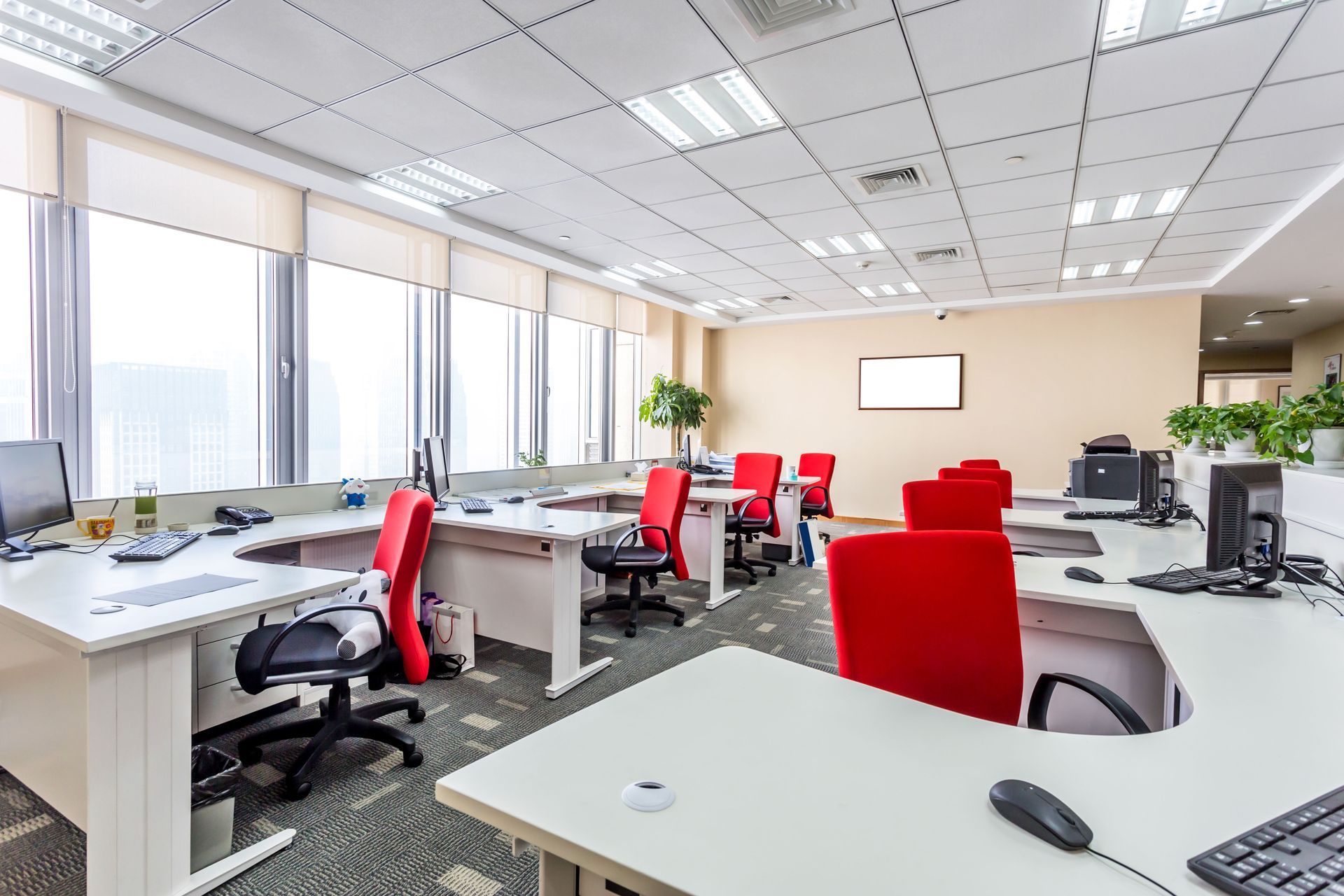
The foundation of a home-like office starts with the correct choice of office furniture. It's pivotal to select items that combine functionality with a sense of comfort and aesthetic appeal. Ergonomic chairs that support the back and encourage good posture are vital, especially since many employees may spend several hours seated. Additionally, desks should accommodate computers, paperwork, and personal items while remaining stylish.
To bridge the gap between home-like warmth and professional functionality, consider incorporating multipurpose furniture. Elements such as convertible sofas or foldable tables can provide flexibility with the bonus of comfort. Introducing these types of office furniture can help in crafting an environment that adapts to various tasks and activities throughout the day, thereby promoting a dynamic workspace.
It's essential to recognize that aesthetics play a crucial role in creating appealing spaces. Incorporating colors, textures, and designs that mirror home environments can make office furniture more inviting. The use of wood materials, soft cushions, and decorative finishes imbues a sense of coziness. Notably, according to Mordor Intelligence, corporate offices account for 59.3% of all office furniture purchases, underscoring their importance in crafting dynamic office environments.
Incorporating Elements of Home
To make an office feel more like home, personal touches and decorations can have a profound impact. This includes adding artworks or personal photos, which give employees a sense of belonging and identity in the workspace. Indoor plants and natural elements are also excellent additions; they not only provide aesthetic appeal but have been shown to reduce stress and improve air quality.
Customizing office space with home-like elements can also involve the strategic use of color. Warm colors such as earth tones, soft blues, and greens create a soothing environment reminiscent of home comforts. Incorporating these colors into the office decor, from wall paint to upholstery, can transform an impersonal space into one that invites relaxation and creativity.
Lighting plays a significant role in altering the office atmosphere. Opt for adjustable lighting options, such as dimmable lights or lamps with varying shades, to mimic the versatility found in homes. Natural light should also be maximized whenever possible, as it has numerous benefits for mood and productivity. Together, these elements contribute to a work environment that feels both personal and professional.
Prioritizing Comfort and Well-being
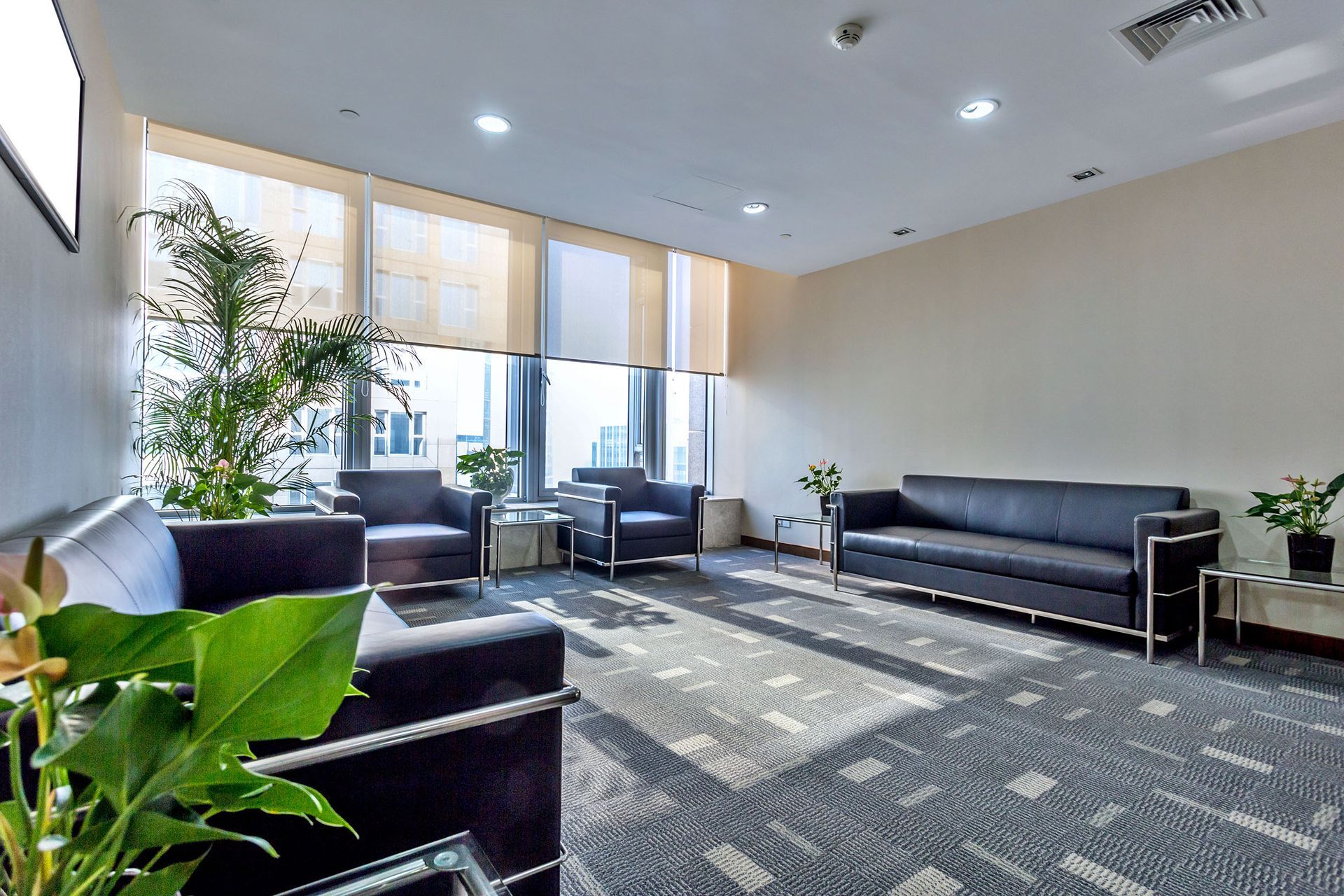
Creating a cohesive environment that emphasizes comfort is essential for a home-like office. This includes ensuring that office furniture is designed with relaxation in mind. Consider the ergonomics of both chairs and desks, ensuring they support a range of work activities without compromising comfort. Soft seating options and areas for relaxation can provide much-needed breaks from the desk and help recharge employees.
The incorporation of technology has become integral in modern office settings, yet it's important not to let it overwhelm the space. Use of wireless solutions, minimalistic designs, and thoughtful placement can keep tech unobtrusive. This way, the focus remains on comfort and creating a positive, stress-free environment. Subtle integration helps maintain the balance between efficiency and home-like warmth.
Additionally, fostering an environment that enhances well-being includes providing opportunities for social interactions and personal breaks. Relaxation zones or leisure corners equipped with comfy office furniture encourage employees to recharge. Such spaces should be thoughtfully designed to foster informal meetings, break times, and stimulate creativity with an ambiance reminiscent of home comfort.
Maintaining a Balance Between Home and Professionalism
While it is crucial to incorporate elements that make an office feel homey, maintaining professionalism is equally important. It is about finding a fine balance where employees feel comfortable but are not distracted from work. While furniture and decorations can create a homely atmosphere, clear boundaries and a professional code of conduct are necessary.
Boundaries can also be set through the strategic placement of office furniture, which delineates work zones from relaxation areas. This visual separation helps employees transition between a working mindset and relaxation easily. The use of partitions, rugs, and different lighting can further emphasize the change in zones without altering architectural layouts.
Furthermore, promoting a culture of respect and courtesy reinforces the professionalism expected in a workspace. Regular training sessions and team-building activities can strengthen team relationships and maintain the corporate ethos. This blend of formal and informal elements ensures that the office remains a place of productivity and collaboration.
Integrating Wellness and Mental Health Support
A truly home-like office goes beyond physical comfort and extends into emotional well-being. Incorporating wellness-focused spaces and resources helps employees feel supported and cared for. Quiet rooms for relaxation or meditation can provide a space to decompress during stressful moments. Some offices also include wellness areas equipped with massage chairs or low-stimulation lighting to encourage mental resets. Even small additions, like calming artwork or scent diffusers with subtle natural fragrances, can contribute to a more soothing environment. Encouraging regular breaks and promoting a healthy work-life rhythm within the office culture reinforces the idea that well-being is a priority, not an afterthought.
Enhancing Acoustics for a Calmer Atmosphere
One often overlooked aspect of creating a home-like office is sound. In many traditional workplaces, noise levels can contribute to stress and reduce focus. Introducing acoustic solutions can dramatically improve the overall atmosphere and make the environment feel more residential and relaxed.
Soft materials such as carpets, upholstered furniture, and acoustic wall panels help absorb excess noise. Even simple additions like curtains or fabric dividers can reduce echo in open-plan offices. For teams that require quiet concentration, designated silent zones can provide a retreat similar to a home study or reading nook. At the same time, collaborative areas can be designed to accommodate conversation without disturbing others. Background soundscapes, such as soft instrumental music or nature sounds, can also help mask distracting noises and create a more comfortable sensory environment.
Bringing in Sustainability and Natural Design
Sustainability plays an increasingly important role in how employees perceive their workplace. A home-like office often reflects natural, grounded design choices that feel both comforting and responsible. Using sustainable materials such as reclaimed wood, recycled metals, and eco-friendly textiles can add warmth and authenticity to the space. Biophilic design—incorporating natural elements like plants, water features, and natural light—helps bridge the gap between indoor workspaces and the outdoors. These elements not only improve aesthetics but also contribute to reduced stress levels and improved cognitive performance, reinforcing the connection between nature and well-being.
Incorporating Feedback and Continuous Improvement
Creating an office environment that feels like home should be an ongoing process. Gathering feedback from employees on the current office design and items of office furniture can offer valuable insights into what works and what doesn’t. Surveys or suggestion boxes can be effective tools for collecting these perspectives to continually enhance the office atmosphere.
Regular reviews and updates to the office design should be part of the strategic planning. As new trends in office furniture and interior design emerge, integrating these into your office can keep the atmosphere fresh and engaging. By committing to continuous improvement, companies ensure that their workspaces adapt to the evolving needs of their workforce and maintain a balance of comfort and professionalism.
Creating an office environment that feels like home is ultimately about designing a space where people can perform at their best while feeling genuinely comfortable and supported. When thoughtful choices are made—from ergonomic and inviting office furniture to warm colors, natural light, and personalized décor—the workplace begins to feel less like a rigid corporate setting and more like a space where people belong. When these elements come together, the office becomes more than just a place to complete tasks; it becomes a space where people feel grounded, motivated, and empowered to do their best work every day. To learn about the pieces available to improve your space, reach out to BMC Office Furniture today.