November 6, 2026
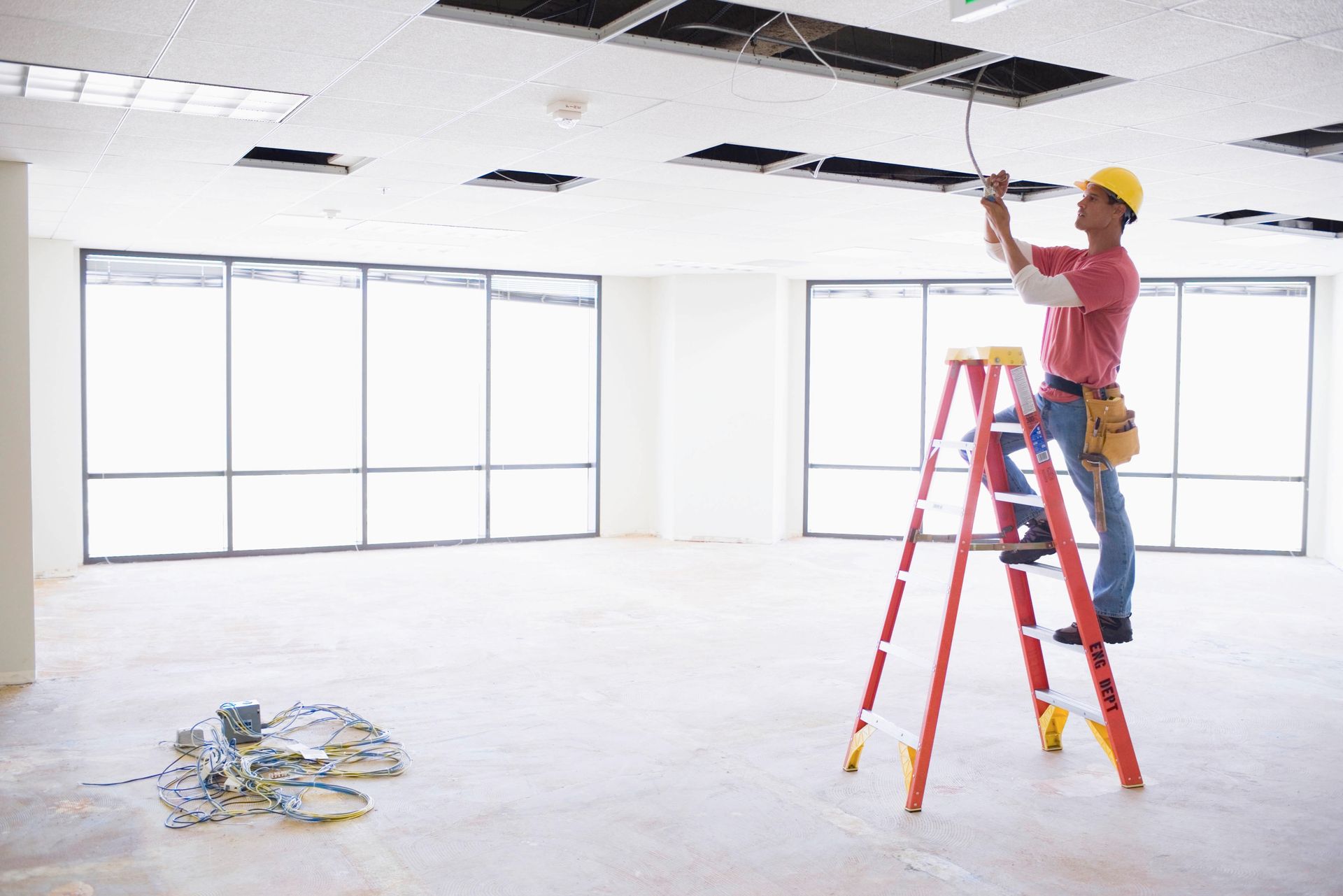
In modern corporate environments, physical workspaces serve as fundamental hubs for innovation, operational efficiency, and cultural cohesion. Organizations frequently reevaluate operational workflows, yet many overlook how deteriorated work surfaces, rigid seating, and broken cubicle configurations limit staff potential. Outdated work stations signal stagnation, hinder daily task completion, and create unnecessary physical strain for employees. Upgrading outdated office furniture provides an immediate pathway toward enhancing corporate agility, reinforcing employee wellness, and building an adaptable operational infrastructure. Investing in intentional spatial updates transforms a standard commercial lease into a high-performance workspace that drives business outcomes.
Corporate leaders increasingly view professional furnishings as strategic assets rather than passive overhead expenses. High-grade ergonomic desking, adaptable conferencing elements, and modular lounge layouts directly influence team collaboration and personal focus. By investing in modern office furniture, businesses establish workspaces that support both concentrated deep work and spontaneous cross-functional problem-solving. This comprehensive guide outlines the operational advantages of updating worn commercial fixtures, providing concrete insights into how targeted furniture investments drive sustainable growth, staff retention, and everyday workplace efficiency.
1. Maximizing Employee Productivity and Task Efficiency
Integrating Ergonomic Adjustability and Comfort
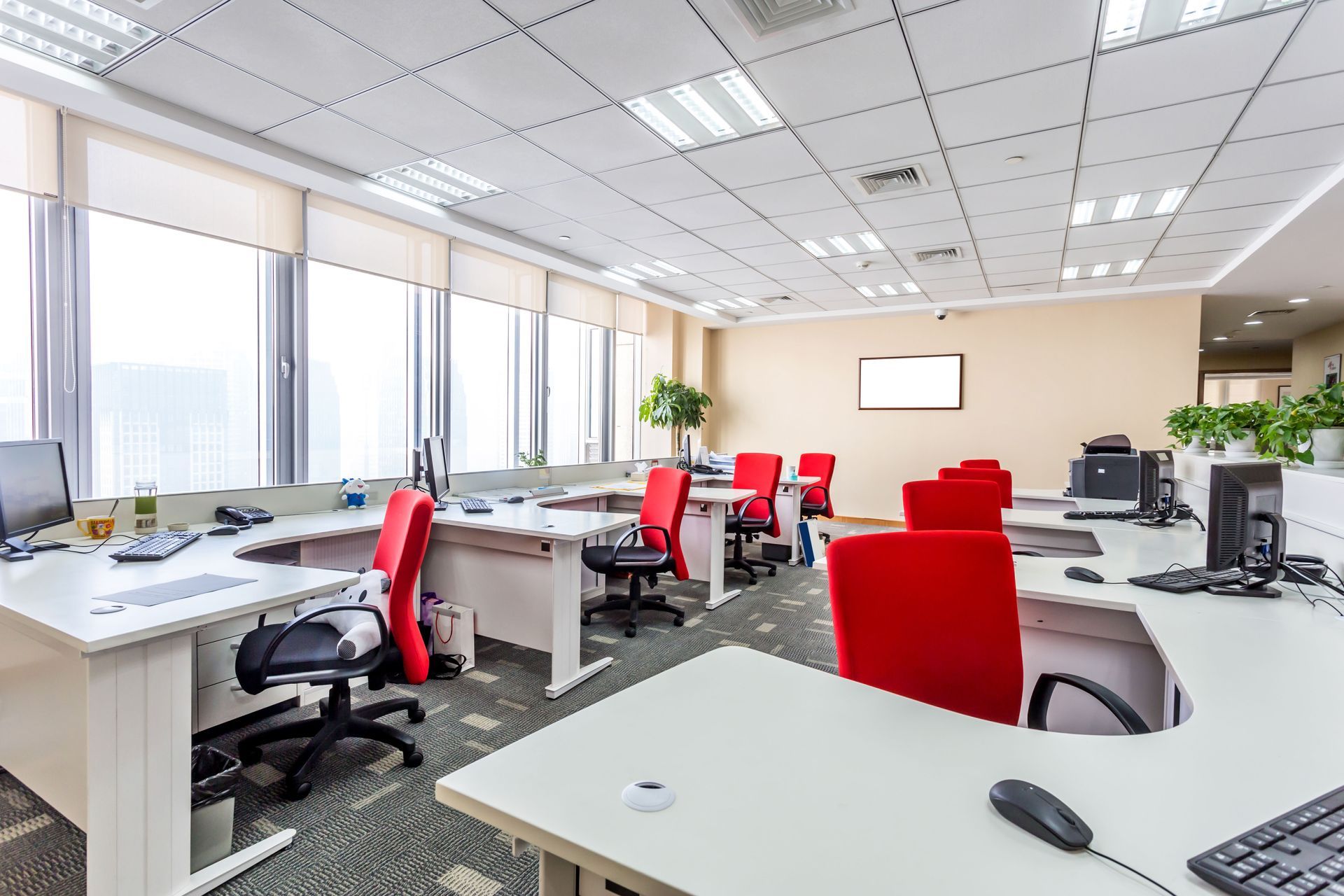
Prolonged sedentary work without proper physical support remains a primary cause of workplace fatigue, musculoskeletal discomfort, and midday mental exhaustion. Modern task seating and motorized sit-stand desks actively accommodate natural spinal alignment, distributing body weight evenly to reduce strain on the neck, shoulders, and lower lumbar region. When businesses replace non-adjustable chairs with high-performance office furniture, workers experience significant reductions in physical tension and repetitive strain injuries. Minimizing bodily discomfort preserves daily stamina, eliminates midday focus slumps, and directly decreases medical absenteeism across the entire company.
Configuring Modular Components for Workplace Flexibility
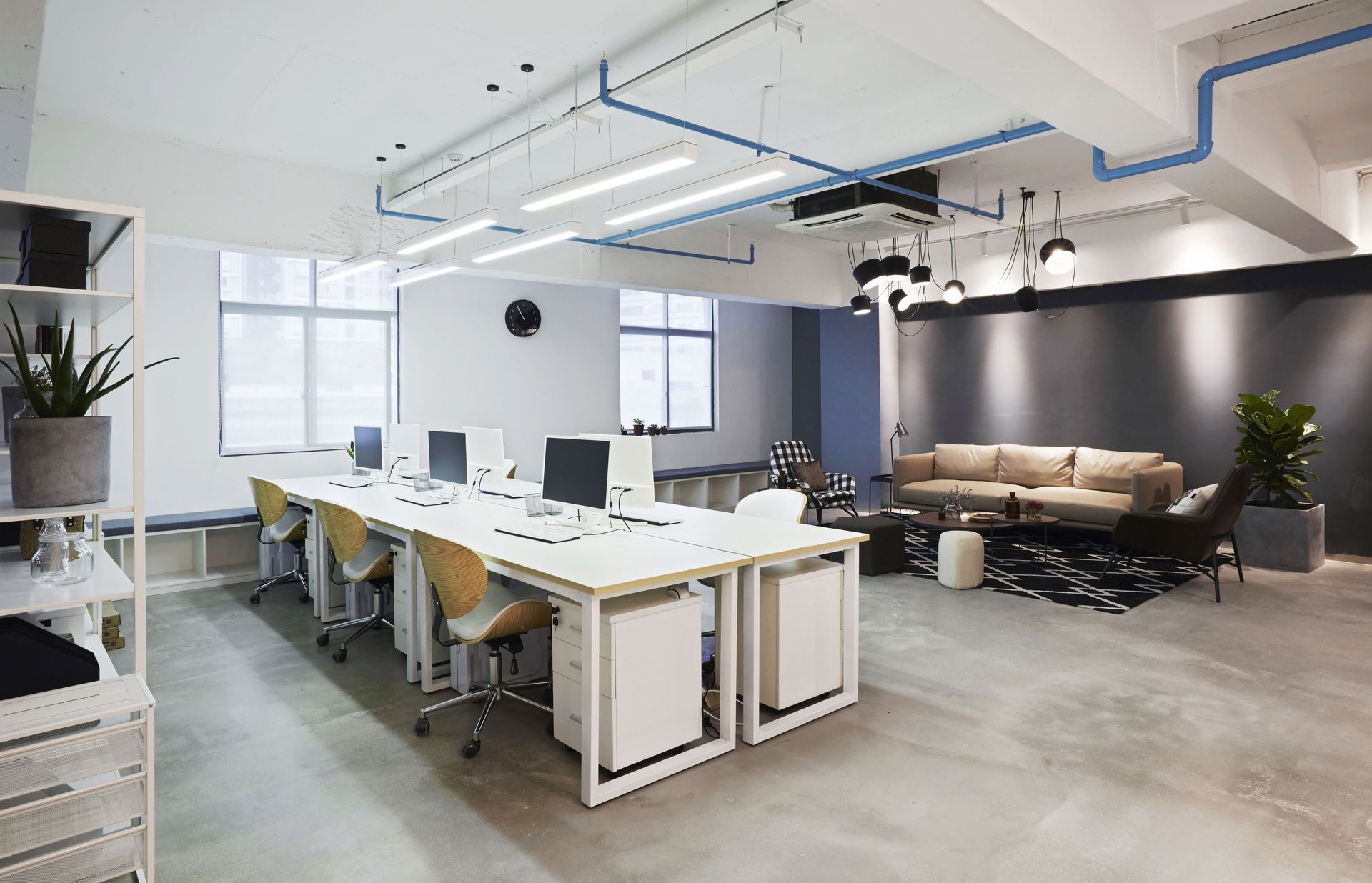
Modern workflow patterns demand adaptable interior layouts that transition effortlessly between individual deep work and group collaboration. Mobile dividing panels, nesting conference tables, and height-adjustable desks enable corporate teams to reconfigure floor plans on short notice to support specialized projects. Outfitting collaborative spaces with flexible office furniture allows growing departments to adapt their floor plans without expensive tenant improvement buildouts. This spatial adaptability empowers employees to customize their workstations, creating an agile office culture that moves in lockstep with rapid business changes.
Establishing Dedicated Quiet Zones for Deep Focus
While open-concept floor plans encourage spontaneous communication, they frequently generate excessive noise and constant visual distractions that derail analytical work. Modern workplace planners solve this operational challenge by arranging acoustic dividers, high-backed privacy booths, and sound-dampening work stations to buffer ambient noise. Upgrading to specialized acoustic office furniture gives employees dedicated focus zones shielded from high-traffic thoroughfares. Providing clear visual and auditory boundaries allows team members to handle complex tasks efficiently without interrupting nearby coworkers.
2. Cultivating Innovation and Creative Collaboration
Inspiring Teams Through Intentional Contemporary Design
The visual and tactile qualities of a workspace directly shape how employees approach daily problem-solving and project ideation. Drab fabric panels and laminate desks reinforce rigid corporate routines, whereas dynamic architectural silhouettes, clean lines, and varied textures stimulate creative thinking. Integrating contemporary executive office furniture signals to staff that forward-thinking experimentation and calculated risks are valued across the company. Creative professionals thrive in spaces that visually reflect excellence, driving higher levels of creative output and innovative solutions.
Developing Multi-Functional Group Breakout Areas
Structured conference rooms with long boardroom tables can intimidate junior contributors and stifle casual cross-departmental dialogue. Introducing casual huddle zones featuring upholstered modular couches, mobile whiteboards, and perimeter bar-height tables creates inviting spaces for unstructured brainstorming. By designing team zones with adaptable office furniture, companies remove physical barriers to collaboration, fostering authentic communication and faster decision-making across teams.
Investing in Commercial Durability Over Disposable Goods
Purchasing budget consumer fixtures might look cost-effective initially, but it quickly leads to frequent hardware failures, broken drawer slides, and early replacements. Commercial-grade pieces feature heavy-gauge steel structures, solid wood cores, and commercial textiles engineered to handle years of continuous use. According to IBIS World, the U.S. office furniture industry employs about 107,000 workers, highlighting the vast domestic manufacturing network dedicated to engineering durable, commercial-grade workplace assets. Higher upfront investments yield substantial lifetime savings, delivering durable performance year after year.
3. Safeguarding Employee Health and Physical Well-Being
Preventing Chronic Musculoskeletal Disorders
Repetitive stress injuries, sciatica, and chronic upper-back strain are major drivers of lost work hours and worker compensation claims in corporate environments. Outdated seating forces workers into unnatural slouched positions, creating chronic disc compression and persistent spinal fatigue. Upgrading facilities with ergonomic office furniture provides targeted lumbar support, 4D adjustable armrests, and pneumatic tilt tension that adapts to every user. Investing in preventative, body-conscious design directly reduces work-related injuries, keeping employees healthy and productive throughout the work week.
Lowering Mental Fatigue and Psychological Stress
The sensory experience of a work environment profoundly shapes emotional balance, cognitive resilience, and daily stress levels. Cluttered, dark, or broken work stations amplify psychological tension and lower morale, creating an unwelcoming office atmosphere. Outfitting corporate environments with welcoming, ergonomic office furniture creates a calming ambiance that reduces anxiety and improves overall focus. Thoughtfully designed physical surroundings help workers navigate stressful quarters with greater balance, supporting long-term mental wellness and job satisfaction.
4. Strengthening Corporate Brand and Client Perception
Making Strong and Confident First Impressions
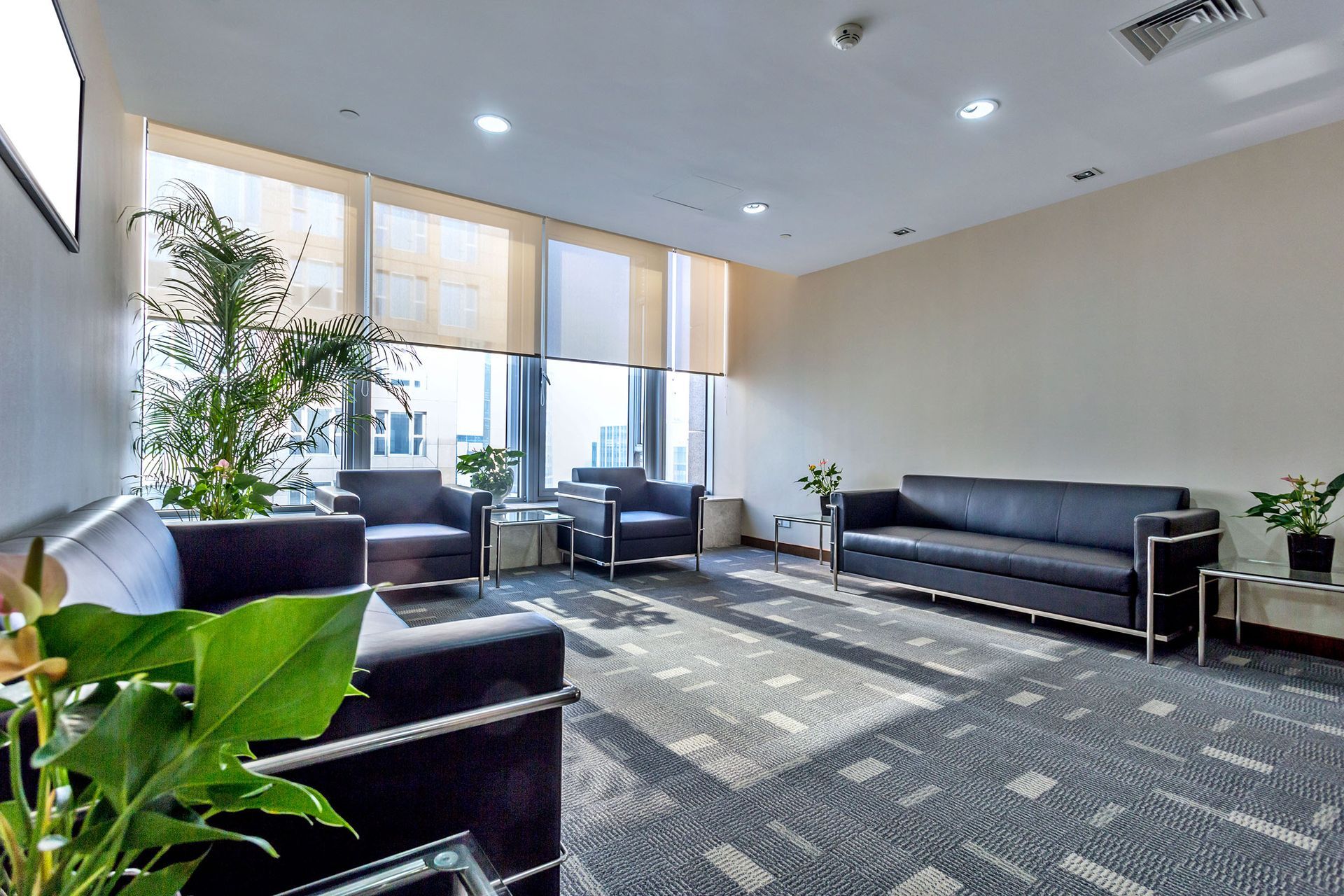
A corporate lobby and main client meeting rooms provide visitors with their first physical impressions of an organization's operational competence and financial stability. Outdated reception seating, cracked laminate desks, and scratched tabletops can subtly signal poor attention to detail or declining business performance. Investing in tailored reception office furniture projects an image of stability, prestige, and high professional standards the moment partners enter the premises. Creating a refined, well-appointed entry sequence builds client trust and sets the tone for successful business partnerships.
Reinforcing Corporate Identity Through Interior Design
Cohesive commercial interiors serve as a physical expression of an organization's mission, values, and workplace culture. Coordinating wood stains, frame coatings, and fabric textiles with corporate brand colors creates a unified interior that strengthens brand identity. Outfitting common areas with bespoke office furniture reinforces core organizational principles for both visitors and internal teams. A well-designed workspace connects staff directly to corporate goals, instilling institutional pride and brand loyalty across departments.
5. Achieving Long-Term Economic Efficiency and ROI
Investing in Commercial Durability Over Disposable Goods
Purchasing budget consumer furniture might look cost-effective initially, but it quickly leads to frequent hardware failures, broken drawer slides, and early replacements. Commercial-grade pieces feature heavy-gauge steel structures, solid wood cores, and commercial textiles engineered to handle years of continuous use. Deploying heavy-duty, commercial-grade office furniture protects corporate budgets by eliminating frequent reorders and ongoing repairs. Higher upfront investments yield substantial lifetime savings, delivering durable performance year after year.
Minimizing Recurring Facility Repair Expenses
Maintaining broken, discontinued furniture assemblies drains internal maintenance resources and wastes administrative time. Commercial furniture collections feature high-pressure laminates, impact-resistant PVC edge banding, and stain-resistant coatings that hold up against heavy commercial use. Choosing high-performance office furniture keeps surfaces looking pristine with minimal upkeep. Avoiding costly surface refinishing and structural repairs allows facilities teams to focus on core operational priorities.
Modernizing an office environment is far more than a simple aesthetic refresh; it is a foundational investment that shapes corporate productivity, team wellness, and brand reputation. Outdated workstations, worn seating, and rigid layouts silently undermine daily output by causing physical fatigue, lowering employee morale, and creating operational bottlenecks. Replacing worn elements with intentional, ergonomic commercial systems creates a high-performance workspace engineered to handle rapid organizational change.
Upgrading your facility with high-performance office furniture delivers measurable long-term dividends, from lower medical absenteeism and lower maintenance expenses to higher talent retention and enhanced client confidence. Modern workspaces reflect an organization's values, work standards, and commitment to its people. By modernizing commercial work stations, organizations build sustainable, comfortable, and efficient environments where teams can thrive and drive ongoing business success. Call BMC Office Furniture today to learn more about upgrading your space.