July 28, 2026
In the modern work environment, the quality of office furniture is not just a matter of aesthetic value but also a significant contributor to productivity and well-being. With remote work and hybrid models becoming the norm, the importance of having an upgraded, well-designed workstation cannot be overstated. Upgrading setups can lead to enhanced comfort, efficiency, and even mental well-being, allowing for an environment where creativity and productivity flourish across all departments.
The transition from traditional office setups to more dynamic workspaces reflects the changing needs of the workforce. Good design caters to ergonomic necessities and aligns with contemporary design trends, thus playing a significant role in improving an office's functionality and aesthetic appeal. Exploring various upgrades to consider in enhancing your workspace helps focus attention on ergonomics, technology integrations, and personalization options that support daily business operations.
The manufacturing industry is constantly evolving, with new trends and innovations emerging to meet the ever-changing demands of businesses and employees alike. According to IBIS World, there were approximately 3,560 office furniture manufacturing businesses in the United States in 2025. Whether working from a corporate headquarters or a dedicated home setup, making thoughtful upgrades can significantly improve how people work and feel throughout the day.
Upgrading to Ergonomic Seating
Ergonomics focuses on designing a workplace to match the capabilities and limitations of the worker, which is vital for preventing musculoskeletal disorders caused by prolonged sitting. Ergonomic chairs support the natural form of the human body by focusing on posture, comfort, and dynamic movement. By minimizing strain on the spine and reducing the risk of back injuries, these specialized chairs enhance job satisfaction while helping maintain daily focus.
When selecting a chair, adjustability remains the primary feature to evaluate, including seat height, armrest positioning, and back tilt mechanisms. Proper lumbar support is crucial for preventing lower back strain, while breathable mesh fabrics and cushioned bases ensure physical comfort during long tasks. Smoothly gliding casters and a reliable swivel base further allow for easy repositioning without placing unnecessary repetitive stress on the body, especially during intense working sessions.
Investing in high-quality seating pays dividends by reducing absenteeism and lowering physical fatigue across the workforce. Modern task chairs offer excellent flexibility for standard desk work, while active seating options like kneeling chairs or stability designs engage core muscles. Selecting the appropriate model based on individual body types ensures a healthier, more supportive atmosphere that protects long-term physical wellness and maximizes overall output.
Implementing Adjustable Desks
Sit-stand desks have grown immensely popular due to their versatility in breaking up sedentary work patterns throughout the day. Alternating between sitting and standing positions boosts energy levels, improves metabolic circulation, and mitigates the health risks associated with sitting too long. Employees utilizing adjustable desks frequently report lower levels of fatigue and higher daily task engagement, resulting in a much more dynamic environment.
Choosing the right adjustable desk requires a careful assessment of weight capacity, height ranges, and surface area dimensions. Electric motor models allow users to transition smoothly between custom heights at the push of a button, ensuring seamless workflow transitions. A spacious desktop provides ample room for essential hardware, dual monitors, writing materials, and organizational tools without crowding the layout.
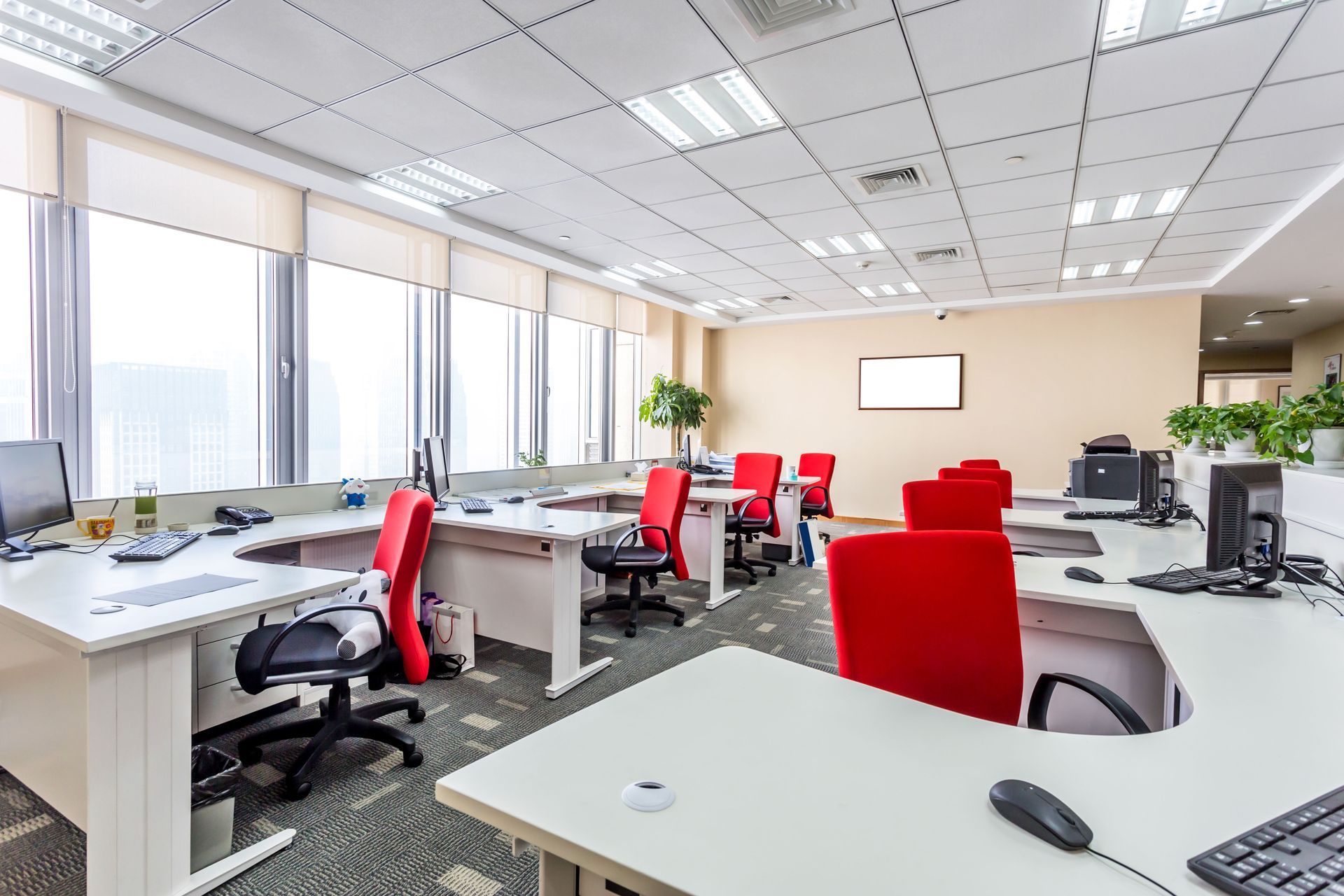
Sturdy construction materials such as solid wood, durable laminates, or reinforced metal frames ensure stability when the desktop is fully extended. Many modern sit-stand designs also integrate perfectly into corner spaces or L-shaped configurations to maximize floor efficiency. Prioritizing stability and smooth lifting mechanisms ensures that the desktop remains a reliable asset for years to come, providing premium value for everyday operational needs.
Optimizing Space With Modern Storage
Effective organization directly impacts workflow efficiency, mental clarity, and stress reduction by eliminating unnecessary physical clutter from immediate sight. Well-structured storage systems facilitate immediate access to vital documents and tools, saving time that might otherwise be wasted searching through loose papers. Implementing smart storage solutions ensures that every square foot of an office layout is utilized effectively, leaving plenty of room for creative expression.
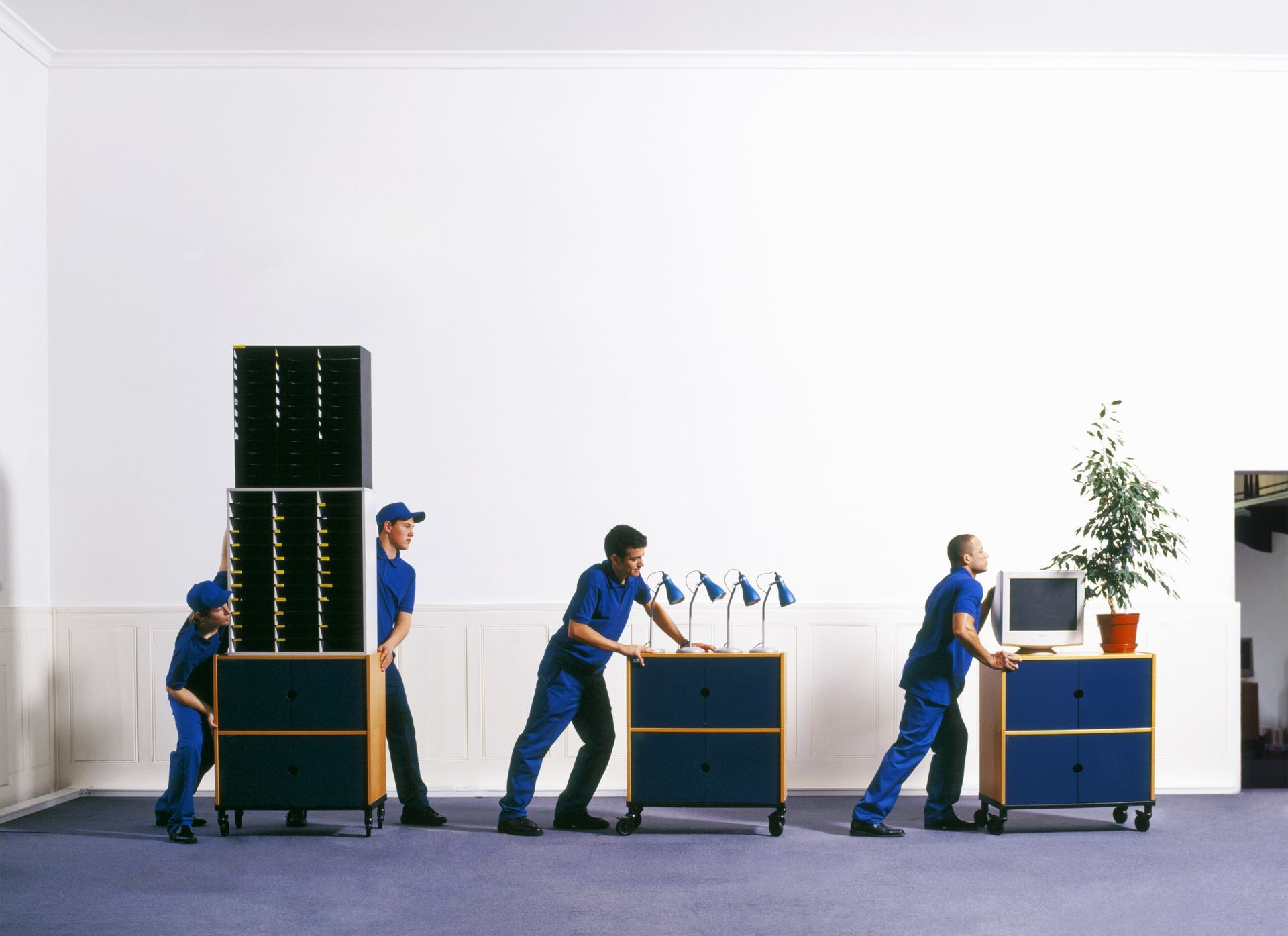
Traditional filing cabinets remain useful for securing physical documents, but modern layouts increasingly rely on mobile pedestals and modular shelving units. Mobile units can easily slide beneath work surfaces when not in use, freeing up valuable floor space for physical movement. Wall-mounted shelving leverages vertical real estate, providing excellent storage capacity without encroaching on walkable areas or making the environment feel restricted.
Carefully planning the organizational layout ensures that shared storage components remain accessible without disrupting the overall traffic flow. Selecting the right office furniture can maximize space utilization while maintaining a clean, minimalist design aesthetic. Streamlining physical storage options fosters an open, inviting environment that naturally encourages better focus, clear thinking, and seamless collaboration among different project groups.
Integrating Technology Into Workstations
Modern workspaces require smart integration of digital tools to minimize cord chaos and maintain a streamlined appearance. Desks and tables equipped with built-in USB ports, power strips, and wireless charging pads eliminate the need for extension cords. Cable management trays hidden beneath the desktop route power cords cleanly, keeping wires out of sight and away from feet to prevent potential office hazards.
Advanced workstations frequently feature monitor arms that lift screens off the main desk surface, reclaiming valuable square footage. These adjustable arms allow users to position screens at the perfect eye level, reducing neck strain and glare. Incorporating technology directly into the structural components prevents specialized hardware from crowding the active writing area, allowing employees to maintain an organized visual field.
Smart configurations also include programmable memory keypads on desks to save specific height preferences for multiple users. This level of technological personalization supports shared hot-desking environments where flexibility is highly valued by modern teams. Embracing tech-ready components transforms standard layouts into high-efficiency centers tailored for digital productivity, keeping communication fluid and continuous throughout the fiscal year.
Creating Collaborative Environments
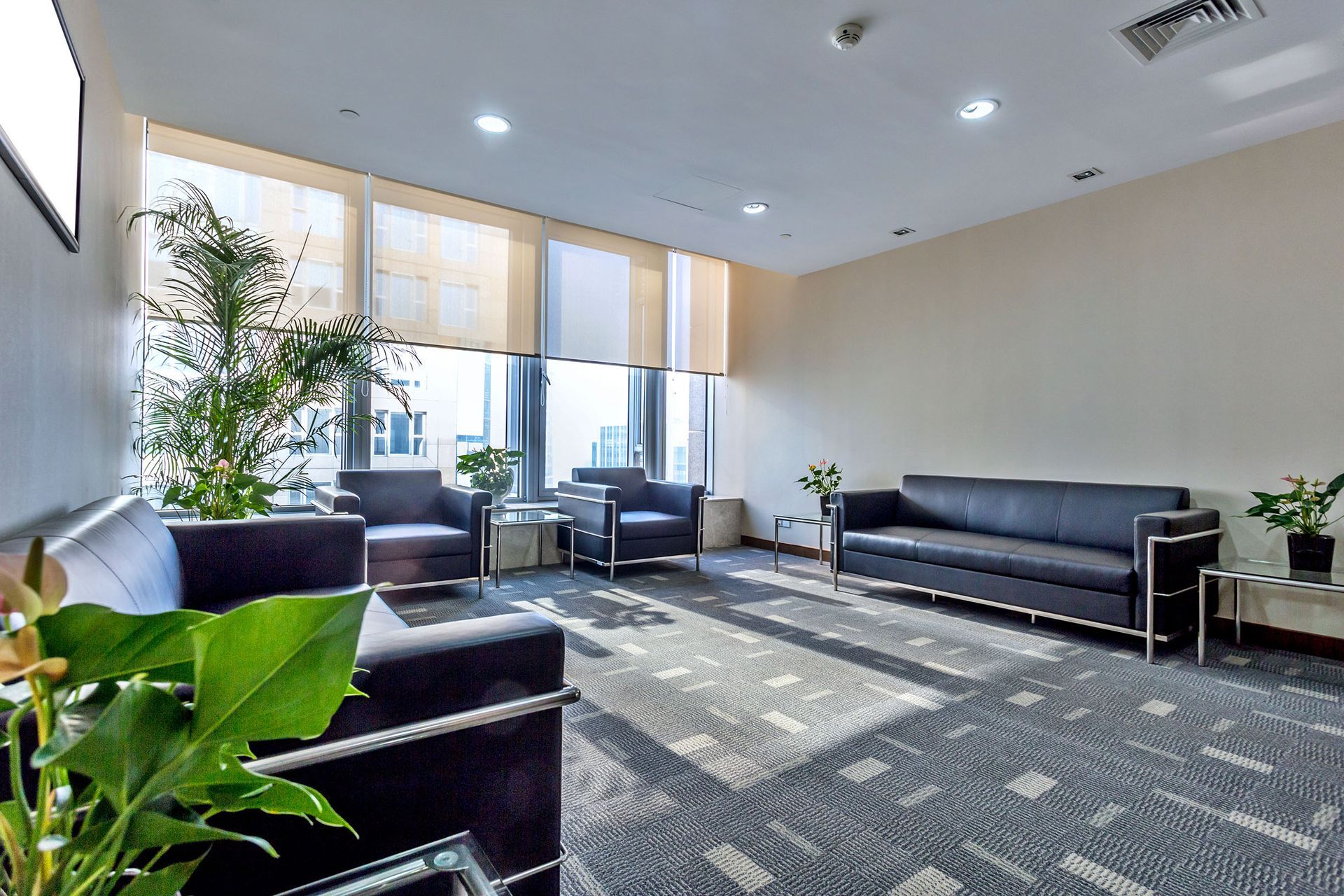
Workplace productivity thrives when environments balance independent focus areas with spaces designed for teamwork and open communication. Modular lounge seating, acoustic media hubs, and collaborative tables encourage spontaneous brainstorming and comfortable group discussions. Flexible layouts allow teams to reconfigure common areas quickly to accommodate presentations or casual project reviews as requirements change.
Acoustic privacy panels and freestanding dividers help manage sound levels, preventing collaborative zones from distracting nearby independent workers. Selecting lightweight, mobile furniture pieces enables rapid adjustments as team sizes and project needs fluctuate over time. Blending open spaces with quiet nooks addresses the diverse psychological and social needs of a modern workforce, promoting a balanced professional atmosphere.
Thoughtful physical arrangements foster a strong sense of community and shared purpose among team members. Ultimately, investing in high-quality office furniture fosters a dynamic corporate culture centered on adaptability, innovation, and mutual support. Designing spaces with collaboration in mind ensures that the workplace remains an inspiring destination for everyone, boosting employee retention and satisfaction.
Thoughtful physical updates alter how professionals interact with their surroundings, directly impacting health, morale, and performance metrics. Prioritizing ergonomic support, tech compatibility, and organizational clarity creates an environment geared toward long-term operational success. Ultimately, upgrading your office furniture is a long-term investment in organizational health and employee retention that pays substantial dividends over time.
Selecting pieces that balance visual appeal with rugged durability ensures the workspace remains functional for years to come. Evaluating current layouts and identifying key areas for improvement paves the way for an optimized, inspiring workplace that drives business forward. For more information about the services that we offer, reach out to our incredible team at BMC Office Furniture today!