March 5, 2026
In today's fast-paced business world, the environment in which we work can have a significant impact on our productivity, creativity, and overall well-being. Refreshing your workspace with new office furniture is a powerful way to enhance both functionality and aesthetics. This article explores essential considerations and fresh ideas to transform your workspace into an inspiring and efficient environment.
Understanding the Importance of Office Furniture
The Role of Ergonomics
Ergonomic office furniture is designed to support the body, promote good posture, and reduce discomfort. Investing in ergonomic furniture like adjustable chairs and sit-stand desks can significantly enhance employee performance and health. According to Statista, demand for ergonomically designed cubicles and office furniture in the U.S. has increased by 35% over the past five years. This trend underscores a growing awareness of the benefits of ergonomics in the workplace. Employees are more productive and experience fewer musculoskeletal problems when their workspace is designed with their physical needs in mind.
Impact on Employee Morale
The impact of office furniture on employee morale should not be underestimated. Comfortable and aesthetic furniture can make employees feel valued and motivated. When employees work in an environment that prioritizes their comfort, it boosts their engagement and satisfaction. This positive morale is contagious and can lead to increased collaboration and productivity. Investing in quality office furniture is, therefore, an investment in human capital and organizational success.
Efficient Space Utilization
Office furniture plays a crucial role in maximizing space efficiency. Smart furniture solutions like multi-purpose desks and modular systems help in utilizing every inch effectively. Choosing the right office furniture can transform even the smallest spaces into functional workplaces. It can facilitate workflow by reducing clutter and enhancing organization. An efficiently designed office not only looks good but also allows employees to perform their tasks more efficiently.
Reflecting Company Culture
The design and selection of office furniture can be a reflection of a company's culture and values. Sleek and modern furniture might convey innovation, while traditional pieces might suggest stability and reliability. Furniture that reflects the company’s brand identity can reinforce the values employees are expected to display. Moreover, clients and visitors often form impressions based on the office environment. Thus, aligning furniture with company culture can enhance external perceptions and internal coherence.
Sustainability Considerations
Choosing sustainable office furniture is becoming increasingly important in today's environmentally-conscious world. Eco-friendly furniture options are now widely available and include materials like recycled steel and reclaimed wood. Investing in sustainable furniture demonstrates a company’s commitment to social responsibility. Additionally, such choices can contribute to certifications like LEED (Leadership in Energy and Environmental Design) which add to a company’s prestige. Companies that prioritize sustainability can attract eco-conscious clients and employees who share similar values.
Assessing Your Current Office Setup
Identifying Furniture Needs
A comprehensive inventory is the first step in assessing current office furniture needs. Understanding what you have and what you require can help in planning a strategic refresh. Sometimes existing furniture still serves its purpose and only needs a complementary update. Creating a list of essential and non-essential furniture needs aids in avoiding unnecessary purchases. This exercise also helps in identifying which pieces can be replaced to better fit the workspace’s functionality and design.
Budget Planning
Setting a realistic budget for an office furniture refresh is crucial for successful implementation. Budgets can guide decision-making and prevent overspending on non-essential items. It is important to balance quality with cost, remembering that well-made furniture can offer better value over time. Budget planning should also include potential expenses for delivery and installation. Financial constraints require creativity and flexibility in selecting cost-effective options that meet design and ergonomic needs.
Space Analysis
Conducting a thorough analysis of the available office space is essential before purchasing new furniture. This analysis helps determine the size and type of furniture that best fits the space. Space constraints can dictate whether more compact or multi-functional furniture is necessary. Analyzing traffic flow and workspace layout can prevent overcrowding and promote accessibility. The goal of space analysis is to create a harmonious environment where furniture enhances rather than restricts movement and collaboration.
Functionality vs. Aesthetics
Finding the right balance between functionality and aesthetics is key to a successful office furniture update. Practicality should not be sacrificed for visual appeal; both elements need to go hand-in-hand. For example, a sleek desk may look appealing but offer inadequate storage space. On the other hand, overly functional furniture can appear bulky, impacting the overall office vibe. An ideal office setup enjoys a symbiotic relationship where visual and practical elements coexist in harmony.
Employee Input
Gathering feedback from employees is crucial when assessing office furniture needs. Employees often have unique insights into what works and what does not in their daily workflows. Engaging them in decision-making can lead to better outcomes and ensure the furniture meets collective needs. Furthermore, their involvement increases ownership which subsequently elevates satisfaction with the new setup. Ultimately, employee input can lead to an office space that enhances productivity and morale.
Choosing the Right Type of Office Furniture
Desks and Workstations
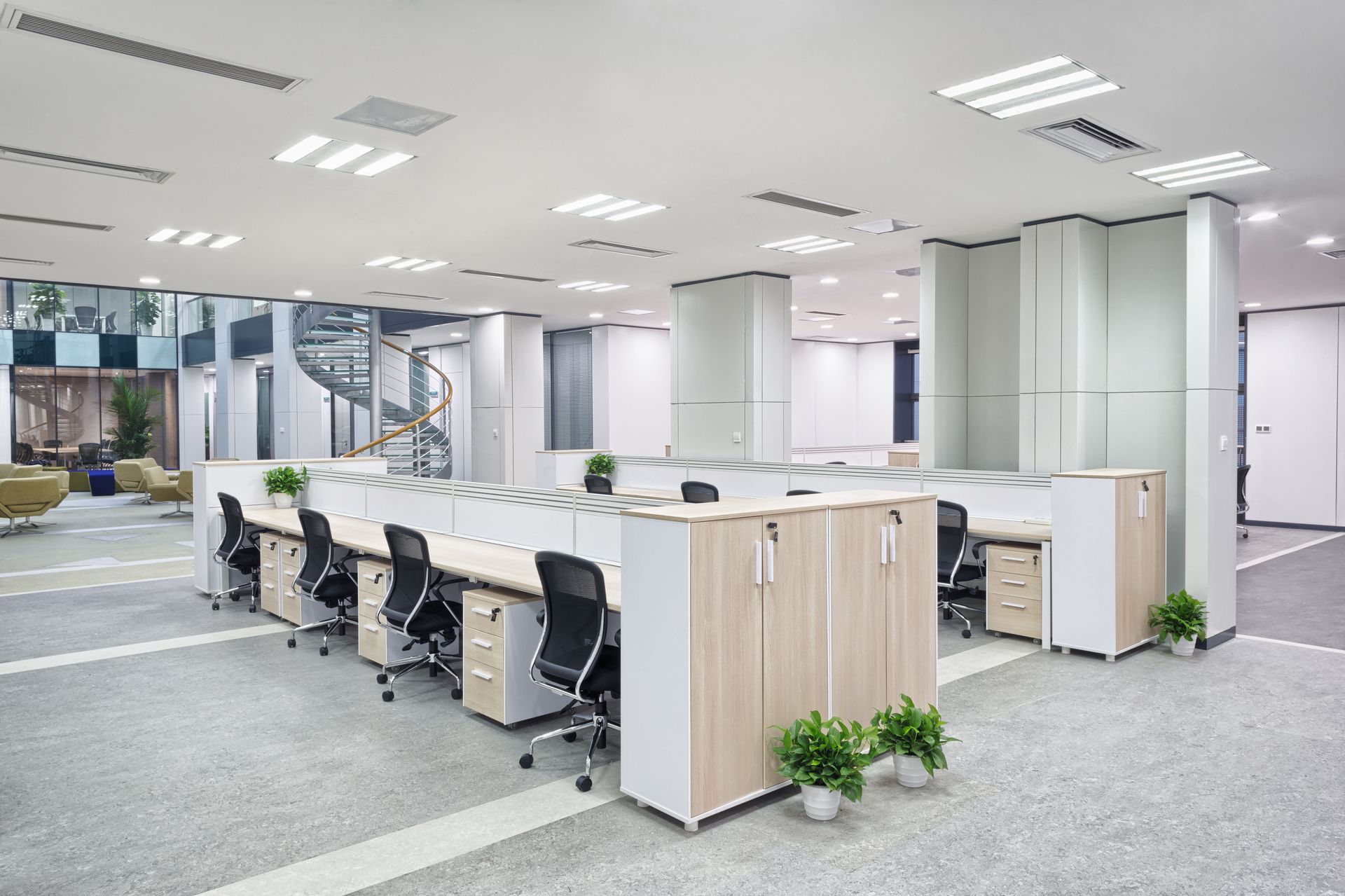
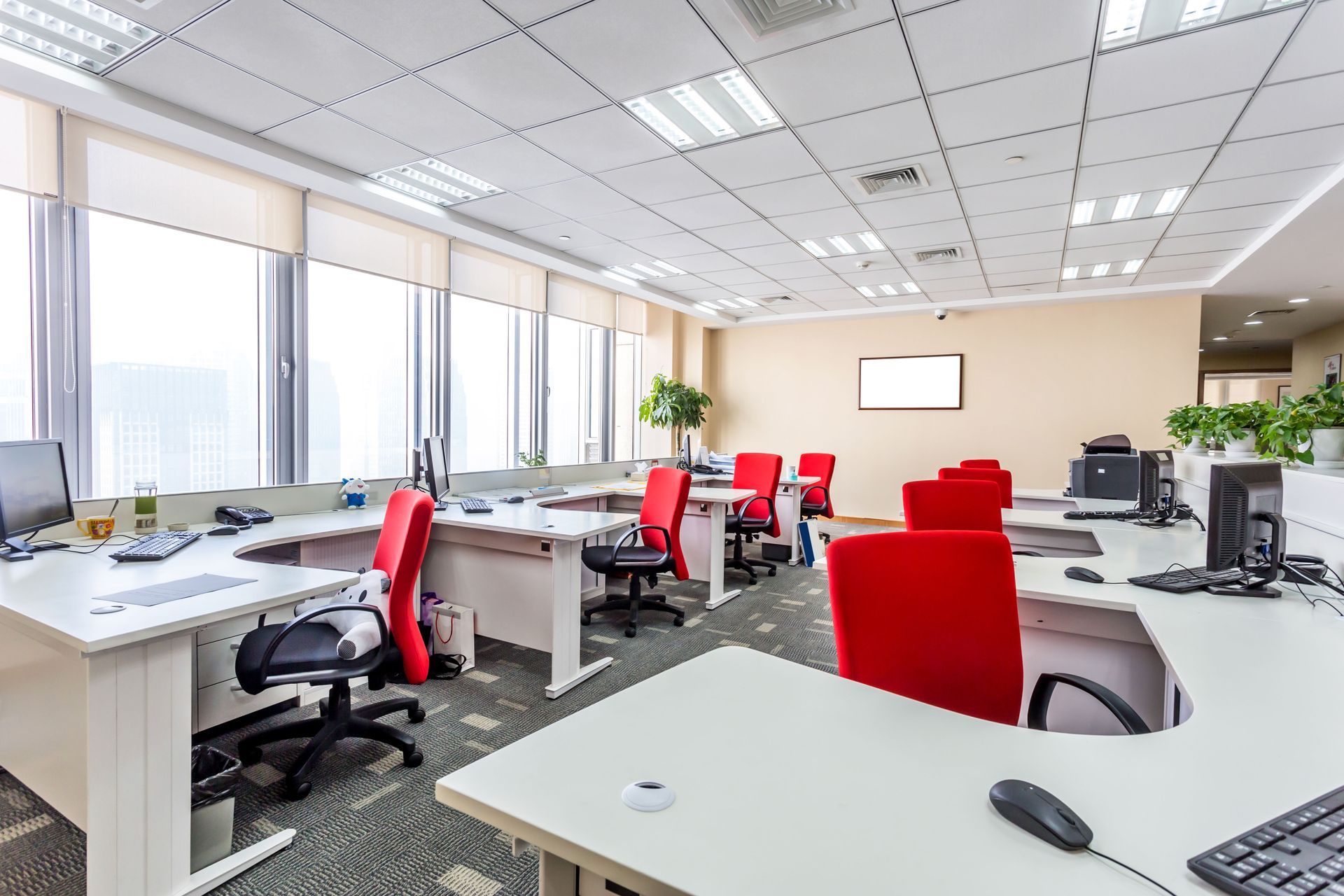
Desks and workstations serve as the centerpiece of office spaces and must be chosen thoughtfully. Different desk designs offer various benefits, such as standing desks that promote an active workstyle. Corner desks can maximize space in small offices, while large executive desks may suit managerial roles. It's crucial to assess the primary needs of each role when selecting desks to ensure they complement the tasks performed. Awareness of ergonomic requirements can help in choosing desks that prevent strain and injuries.
Seating Solutions
The importance of selecting comfortable office chairs cannot be overstated. Chairs that provide proper lumbar support and adjustability can prevent back pain and increase focus. Ergonomically designed seating is essential for long-term use, as discomfort can lead to decreased productivity. There are various seating solutions available, from task chairs to executive and conference seating. Investing in quality chairs is an investment in employee well-being and efficiency.
Storage Options
Practical storage solutions are necessary for maintaining an organized workspace. From filing cabinets to shelving units, the furniture chosen should support easy access and a clutter-free environment. The goal is to choose storage solutions that align with the daily operational needs of the office. Modular storage units offer versatility as they can be reconfigured to suit evolving needs. Proper storage is essential for maximizing space utility and contributing to a clean, professional atmosphere.
Collaborative Furniture
The modern office often requires furniture that promotes teamwork and interaction. Collaborative furniture like breakout tables and communal seating areas cater to this need. When employees have inviting spaces to gather and share ideas, it stimulates innovation and team cohesion. The design and layout of collaborative furniture should encourage openness while still offering functionality. Selecting furniture that enhances group workflows can have a significant positive impact on productivity and employee satisfaction.
Technology Integration
Incorporating technology-friendly furniture into office setups is increasingly vital in today's digital world. Desks with built-in cable management systems and charging ports are becoming commonplace. These features help to blend modern technology seamlessly into the office environment. Furniture that supports digital tools and devices aids in maintaining an efficient workflow. The integration of technology with office furniture reflects readiness and adaptability in a rapidly evolving workplace landscape.
Refreshing your workspace with new office furniture is more than just a cosmetic change; it's an investment in productivity, employee well-being, and company culture. By carefully evaluating needs, incorporating modern trends, and maintaining the workspace effectively, businesses can create an environment that supports success and growth in the future. Consider starting your office furniture refresh today for a more dynamic and thriving workplace. Reach out to BMC Office Furniture today to see how we can help you!